Abercrombie & Fitch Hit With New Class Action Lawsuit Over Hidden Fees
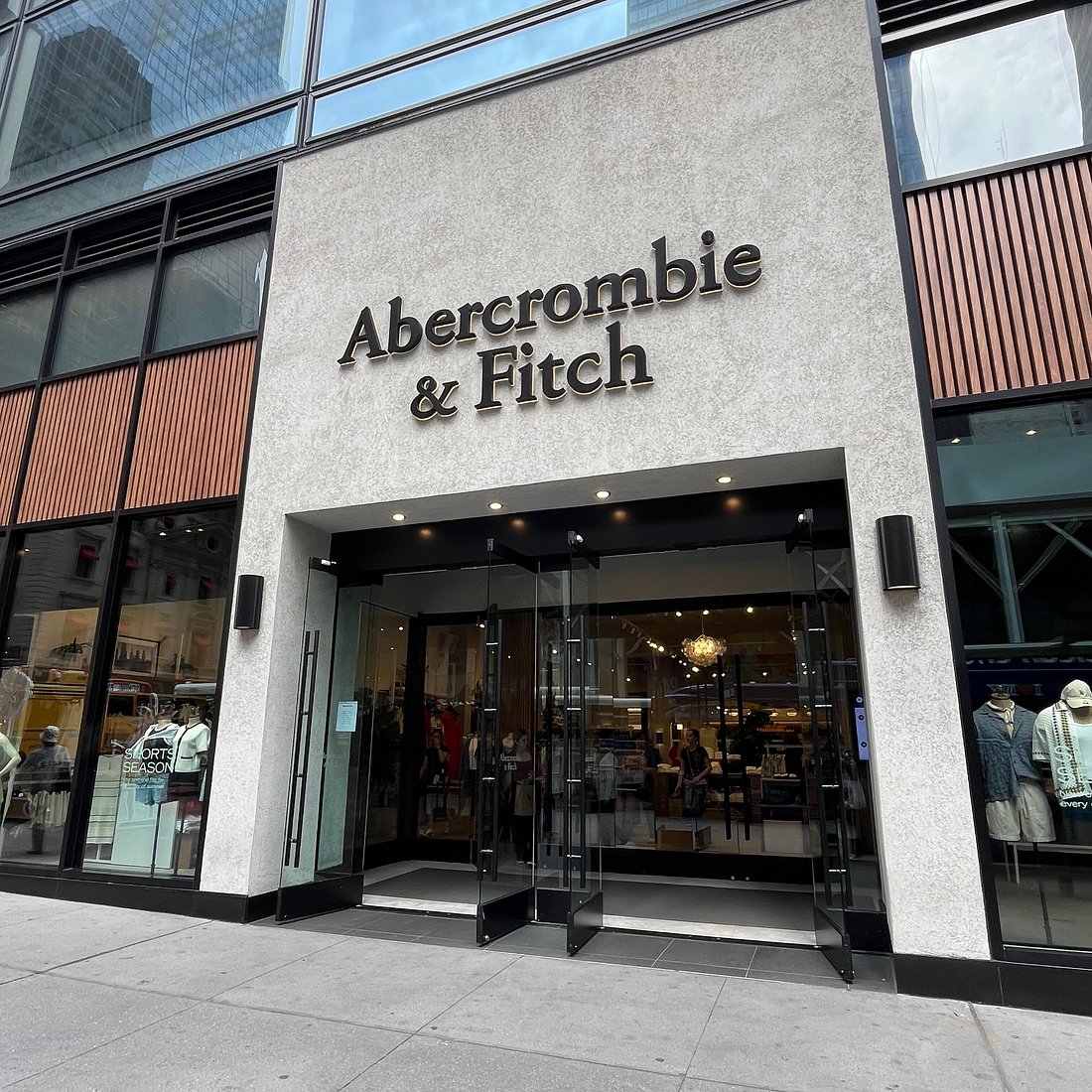
Fresh legal heat surrounds Abercrombie & Fitch, with a newly filed class action lawsuit alleging deceptive pricing practices tied to online purchases. Filed in April 2026, this case zeroes in on something many online shoppers have experienced yet rarely challenge: unexpected fees appearing late during checkout. At center stage sits a controversial pricing tactic often called “drip pricing,” where initial product prices appear lower than what consumers ultimately pay.
What the Lawsuit Claims
According to publicly reported filings, plaintiff Naomi Heilman brought this case in federal court in California, claiming that Abercrombie failed to clearly disclose a mandatory handling fee until the final stage of checkout. That fee, described as unavoidable in certain transactions, allegedly gets added after shoppers already invest time browsing and selecting items.
Instead of seeing a full price upfront, customers reportedly encounter a last-minute charge, which can feel like a bait-and-switch scenario. The lawsuit argues that this practice violates California consumer protection laws, specifically rules requiring transparent pricing before a purchase decision gets locked in. In plain terms, complaint suggests shoppers enter checkout believing one total then face a higher number right before payment confirmation.
A Closer Look at “Drip Pricing”
“Drip pricing” has become a growing concern across e-commerce.Under this model, businesses reveal portions of total cost gradually rather than presenting a full price early. While sometimes legal depending on structure, regulators increasingly scrutinize situations where mandatory fees remain hidden until late stages.
In this case, plaintiff claims Abercrombie’s handling fee does not qualify as a government-imposed charge like tax, meaning it should appear earlier in pricing disclosures. That distinction matters.Taxes often appear later due to location-based calculations. Private fees, however, usually must be transparent upfront under consumer protection frameworks.
Details Behind the Plaintiff’s Experience
Court filings outline a specific purchase that triggered legal action. Heilman claims she bought an item online in April 2025 and encountered a required $7 handling fee during checkout. That fee allegedly applied to orders below a certain spending threshold, making it effectively unavoidable for many shoppers.
According to complaint, this cost did not appear clearly when product pricing first displayed. Instead, it surfaced only near purchase completion, after browsing momentum had already built. That timing forms core of argument: consumers may feel nudged toward completing purchase despite unexpected added cost.
Who Could Be Affected
Proposed class includes consumers in California who purchased items through Abercrombie or its Hollister brand websites and paid that handling fee. Lawsuit seeks to represent individuals who made purchases within a defined time window, including recent transactions dating back several years.
If certified, class could include a significant number of online shoppers given brand’s nationwide reach. At this stage, however, case remains in early litigation. No settlement exists yet, and court has not determined whether claims will proceed as a certified class action.
Legal Theories Behind the Case
Complaint leans on California’s Consumer Legal Remedies Act, a statute designed to protect buyers from misleading business practices. This law prohibits deceptive representations and omissions that could influence purchasing decisions.
Plaintiff argues that failing to disclose mandatory fees early qualifies as such an omission. Legal argument also frames practice as a modern form of bait-and-switch, where advertised price fails to reflect actual cost. Courts have increasingly examined similar claims across industries, including ticketing platforms, travel bookings, and digital marketplaces.

Are you owed money from a class action settlement?
ClaimCow finds, files and tracks claims on your behalf — automatically.
Why This Case Matters Beyond One Brand
This lawsuit arrives during a broader crackdown on so-called “junk fees.” Regulators and lawmakers across United States have pushed for clearer pricing transparency in recent years. Industries ranging from airlines to hospitality face similar scrutiny. Retail e-commerce now appears squarely within that conversation.
If plaintiffs succeed, outcome could influence how online retailers display pricing nationwide, especially around shipping and handling structures. Even without a verdict, lawsuits like this often pressure companies toward clearer disclosures or revised checkout flows.
Abercrombie’s Legal History Adds Context
This is not first time Abercrombie & Fitch has faced class action litigation. Past cases have touched on issues such as marketing practices, discrimination claims, and consumer communications. For example, company previously resolved a $10 million case involving unsolicited marketing text messages under federal law.
Earlier high-profile litigation also addressed workplace discrimination, resulting in significant settlements and policy changes. That history underscores how large consumer brands often operate under continuous legal scrutiny, particularly when business practices intersect with evolving regulations.
What Happens Next
At this stage, lawsuit sits in early procedural phases.Court will evaluate whether claims meet standards required for class certification. If certified, case could move toward discovery, where both sides exchange evidence and internal communications. From there, several outcomes remain possible: • Dismissal if court finds claims lack merit • Settlement negotiations before trial • Full litigation leading to a verdict Most class actions never reach trial. Instead, many resolve through negotiated settlements that may include monetary compensation or changes to business practices.
What Consumers Should Watch
For shoppers, key takeaway centers on awareness. Hidden or late-stage fees often signal practices under legal scrutiny. Watching checkout totals closely and documenting unexpected charges can prove useful if similar cases arise. Consumers in California who encountered similar fees may eventually qualify if class gets certified, though no claims process exists yet. Updates will depend on court rulings in coming months.
Final Thoughts
This newly filed case against Abercrombie & Fitch highlights a growing tension in digital commerce: convenience versus transparency. Online shopping thrives on speed and simplicity, yet pricing clarity remains essential for trust. As lawsuits targeting drip pricing continue to surface, retailers may face increasing pressure to present full costs earlier in purchase journey.
Whether this specific case leads to settlement, dismissal, or broader industry change remains uncertain. One thing feels clear though. Hidden fees, once tolerated as minor annoyances, now sit squarely in legal crosshairs.
If you’re interested in finding additional opportunities, check out these helpful guides on ClaimCow:
You can also explore the full ClaimCow blog here:
👉 https://claimcow.com/blogs