Domino’s Hit With New Class Action Over Alleged Hidden Fees in California
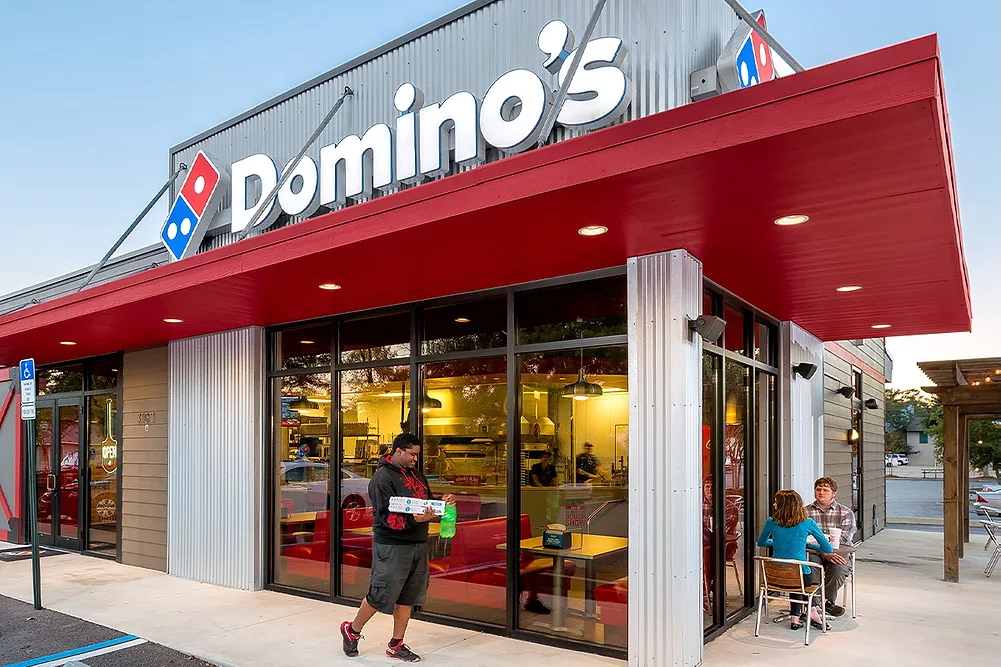
A fresh legal challenge just landed on the doorstep of Domino’s Pizza, and it taps directly into a growing consumer frustration: hidden fees that quietly inflate the final price at checkout. Filed in late February 2026, this proposed class action in California accuses the pizza giant of using deceptive pricing tactics that allegedly mislead customers and violate state consumer protection laws.
While lawsuits over pricing practices aren’t new in the food delivery world, this one carries a sharper edge. It doesn’t just question marketing language or promotional fine print. Instead, it zeroes in on what plaintiffs describe as “junk fees” added late in the ordering process, fees that customers may reasonably mistake for taxes.
The Core Allegation: “Junk Fees” Disguised as Taxes
At the center of the complaint lies a simple but potent claim. According to the lawsuit, Domino’s allegedly added mandatory extra charges during checkout, then labeled those charges in a way that made them appear like government-imposed taxes. ([Almeida Law Group][1]) That distinction matters more than it first appears. Taxes carry a sense of inevitability. Consumers expect them. A fee from a business, on the other hand, invites scrutiny.
By allegedly blurring that line, the lawsuit claims Domino’s created a misleading pricing structure that could trick customers into paying more without fully realizing why. The legal filing argues that this practice violates California’s consumer protection laws, including statutes tied to transparent pricing and fair advertising. In plain terms, the accusation suggests customers thought they were paying government-required charges when in fact they were covering additional company-imposed costs.
Where and When This Case Was Filed
The lawsuit, titled *Murphy v. Domino’s Pizza Franchising LLC*, was filed in the U.S. District Court for the Northern District of California on February 26, 2026. ([Almeida Law Group][1]) It targets not only the parent company but also related entities involved in franchise operations. That scope could prove significant, since Domino’s operates largely through a franchise model.
Responsibility for pricing practices can sometimes blur between corporate policy and individual store execution. The plaintiffs are seeking to recover allegedly unlawful fees collected from customers, alongside other potential damages. ([Almeida Law Group][1])
Why “Hidden Fees” Are a Growing Legal Battleground
This lawsuit lands at a moment when hidden fees, often called “junk fees,” have become a major flashpoint across industries. Another recent class action against Abercrombie & Fitch alleges a similar deceptive pricing scheme.
From airline tickets to concert bookings, regulators and consumers alike have grown increasingly skeptical of pricing that looks one way upfront then shifts at checkout. Food delivery and quick-service restaurants now face similar scrutiny.
Digital ordering systems, while convenient, create opportunities for layered pricing structures that can feel opaque. In this case, the allegation goes beyond simple add-ons like delivery or service charges. The complaint suggests a deeper issue: misrepresentation. If fees are presented in a way that mimics taxes, consumers may not question them at all. That subtle psychological angle could become a key battleground as the case moves forward.
A Pattern of Pricing Disputes?
Although this specific lawsuit focuses on newly alleged “junk fees,” it isn’t the first time Domino’s has faced legal challenges over pricing transparency. Earlier cases have questioned whether promotional deals delivered what customers expected. For example, a prior class action alleged that customers paid more than advertised under certain meal promotions, despite pricing that appeared straightforward at first glance.
Those earlier disputes, combined with the current case, suggest a recurring theme. Plaintiffs often argue that advertised prices do not fully reflect what customers ultimately pay. That doesn’t automatically mean wrongdoing. Companies frequently defend such claims by pointing to disclosures or industry norms. Still, repeated scrutiny can shape public perception and regulatory attention.

Are you owed money from a class action settlement?
ClaimCow finds, files and tracks claims on your behalf — automatically.
What Domino’s Might Argue
Although the company has not publicly detailed its defense in this specific case, businesses in similar lawsuits often rely on a few familiar arguments. They may contend that all fees were disclosed somewhere in the ordering process. They might argue that consumers had an opportunity to review total charges before completing a purchase.
Or they could claim that labeling practices align with industry standards. Another potential angle involves franchise structure. Since many Domino’s locations operate independently, the company could attempt to limit liability by distinguishing between corporate policy and franchise-level execution. How those arguments play out will depend heavily on the specific facts uncovered during litigation.
What This Means for Consumers
For everyday customers, this case highlights a broader shift in how pricing gets examined. Transparency no longer stops at advertised menu prices. Courts and regulators increasingly look at the full checkout experience. If the lawsuit succeeds, it could lead to clearer fee disclosures, changes in how charges are labeled, or even financial compensation for affected customers.
More broadly, it may push companies to rethink how they present pricing in digital environments. Subtle wording choices, placement of fees, even font size could all come under scrutiny.
The Bigger Picture: Regulation on the Horizon
California often acts as a bellwether for consumer protection trends. Legal developments there can ripple outward, influencing practices across the United States and even internationally. Regulators have already begun cracking down on hidden fees in various industries.
Laws like California’s Honest Pricing Act aim to ensure that advertised prices reflect actual costs more accurately. This lawsuit fits neatly into that broader regulatory push. It underscores a simple expectation from consumers: the price you see should closely match the price you pay.
What Happens Next
At this stage, the case remains in its early phases. The court will first determine whether the claims can proceed and whether the proposed class should be certified. If the lawsuit moves forward, it could take months or even years before reaching a resolution.
Many class actions settle before trial, though outcomes vary widely depending on evidence and legal arguments. For now, the filing itself sends a clear signal. Pricing transparency, once a secondary concern, now sits front and center in consumer litigation.
Final Thoughts
The newly filed California class action against Domino’s taps into a growing unease around hidden fees and opaque pricing. Whether the allegations ultimately hold up in court remains to be seen. Still, the case reflects a larger shift. Consumers expect clarity. Regulators demand honesty.
And companies face increasing pressure to align pricing practices with both. If nothing else, this lawsuit serves as a reminder to look closely at checkout totals. Sometimes, the smallest line items carry the biggest implications.