State Farm Agrees to $20.9 Million Class Action Settlement Impacting New Mexico Policyholders
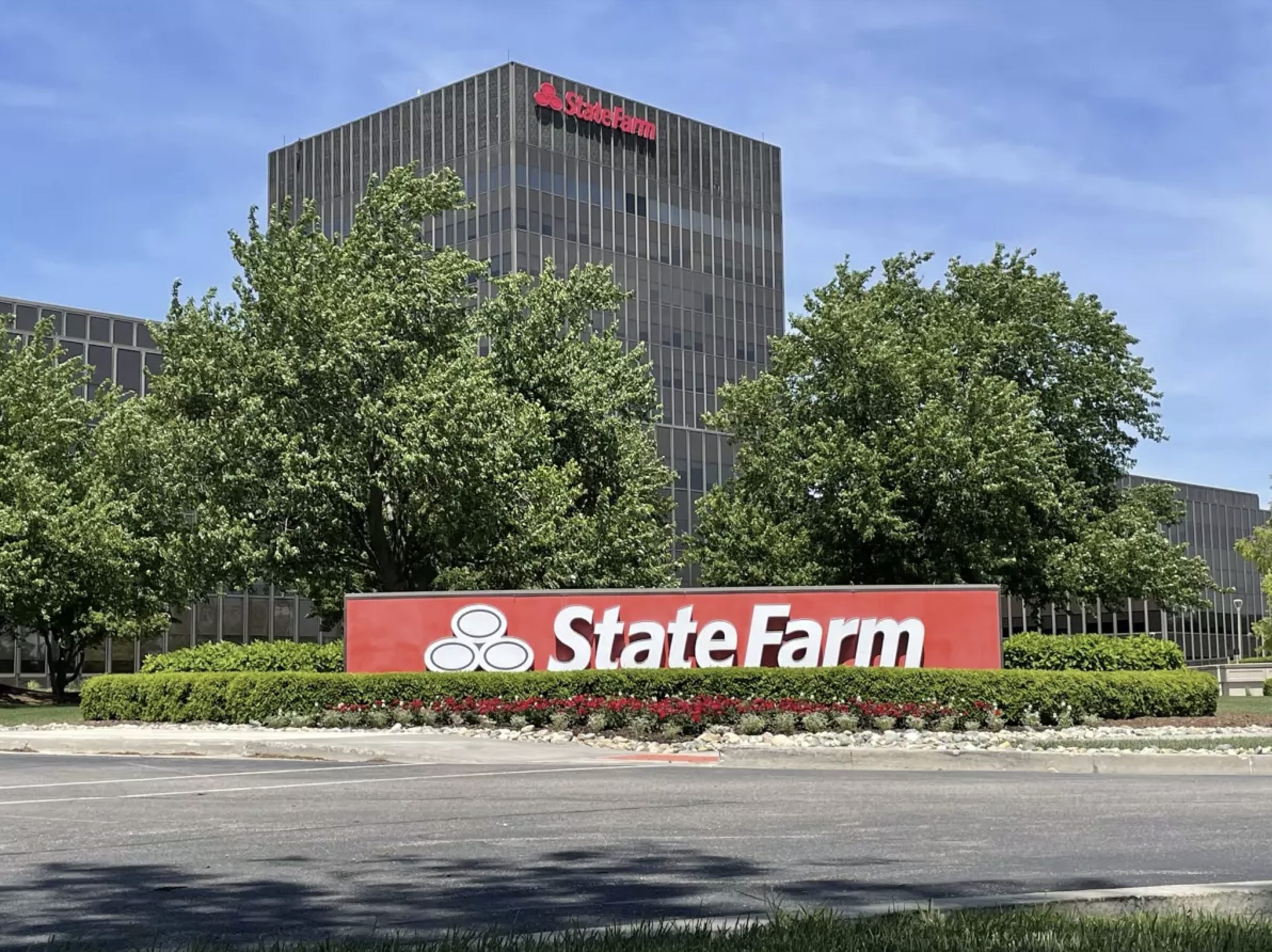
A major class action settlement involving State Farm has emerged, and it centers on a long-running dispute over how insurance coverage was marketed and applied to policyholders in New Mexico. The agreement, which establishes a fund of approximately $20.93 million, aims to resolve claims that the insurer misrepresented key aspects of its coverage offerings.
For thousands of drivers across New Mexico, this development could translate into direct cash payments or premium refunds. Yet beyond financial recovery, this case highlights a deeper issue in insurance law: whether policy language truly reflects what consumers believe they are buying.
The Core Allegation: “Illusory” Coverage and Misleading Terms
At the center of the lawsuit lies a striking accusation. Plaintiffs alleged that State Farm sold underinsured motorist (UIM) coverage that, in practice, delivered far less value than policyholders expected. Specifically, the complaint argued that certain policies allowed insurers to reduce payouts by offsetting amounts already recovered from at-fault drivers. While that mechanism may exist in technical policy language, plaintiffs claimed it was not adequately disclosed or understood by consumers.
That gap between expectation and reality forms the backbone of the case. Policyholders believed they had purchased meaningful additional protection. Instead, according to the lawsuit, some received reduced benefits that made coverage feel “illusory.” From a legal standpoint, such claims often fall under theories of misrepresentation, breach of contract, or violations of consumer protection statutes.
Who Is Affected by the Settlement
The settlement class primarily includes New Mexico drivers who held State Farm auto insurance policies with uninsured or underinsured motorist coverage during a defined period. Public reports indicate that eligibility may extend to individuals who purchased UIM coverage between roughly 2010 and 2021.
Importantly, eligibility does not always require that a claim was filed. Some class members may qualify simply based on purchasing policies that allegedly contained the disputed terms. This broad scope reflects how class actions function. Instead of focusing on a single incident, they address systemic practices that may affect large groups of consumers.
Settlement Structure: Cash Payments and Refunds
Under the proposed agreement, State Farm will create a settlement fund of approximately $20.93 million. That fund will be used to compensate eligible class members through a combination of payments and refunds. The exact amount each individual receives will depend on several factors, including:
- Whether they filed a UIM claim
- The value of any reduced or offset payments
- The number of total claims submitted In many class actions, payouts are distributed on a pro rata basis. That means individual recovery can vary widely depending on participation rates. Some policyholders may receive automatic payments, while others may need to submit a claim form to qualify
Why This Case Matters: Transparency in Insurance Products
Insurance policies often contain complex language, and few consumers read every clause in detail. That reality creates tension between legal technicalities and real-world expectations. This lawsuit underscores a broader question: when does legally compliant language still become misleading in practice?
In this case, plaintiffs argued that even if policy terms allowed offsets, the way coverage was presented created a different impression. That perceived mismatch can form the basis for consumer protection claims. Regulators and courts increasingly focus on how products are marketed, not just how they are written. Clarity, prominence, and consumer understanding now play a larger role in legal outcomes.
A Wider Trend in Insurance Litigation
The State Farm settlement does not exist in isolation. Across the country, insurers have faced growing scrutiny over how claims are calculated and how coverage limitations are disclosed. Other lawsuits have similarly challenged practices such as undervaluing total-loss vehicles or applying standardized adjustments that reduce payouts.

Are you owed money from a class action settlement?
ClaimCow finds, files and tracks claims on your behalf — automatically.
Together, these cases point toward a broader shift. Consumers and regulators are paying closer attention to fairness in claims handling and transparency in policy design. For insurers, that trend raises stakes. Even technically compliant practices may face legal challenges if they appear confusing or misleading.
What State Farm Has Said
As is common in class action settlements, State Farm agreed to resolve the claims without admitting wrongdoing. This type of resolution allows companies to avoid prolonged litigation while limiting legal exposure. At the same time, it provides compensation to affected consumers more quickly than a full trial would. Settlements often represent a compromise rather than a definitive legal ruling. They reflect risk management decisions as much as they do legal conclusions.
What Policyholders Should Do Next
For New Mexico drivers who held State Farm policies during the relevant period, the key next step involves determining eligibility. That process typically includes:
- Reviewing past insurance coverage
- Watching for official settlement notices
- Submitting a claim form if required
Deadlines can play a critical role. Missing a filing window may result in forfeiting eligibility for compensation. Policyholders should rely on official settlement communications rather than third-party summaries when taking action.
The Bigger Picture: Consumer Expectations vs. Legal Fine Print
This case taps into a broader shift in consumer expectations. People increasingly expect pricing and coverage to match what they perceive at face value. Legal fine print, while still important, no longer operates in a vacuum. Courts and regulators are showing greater willingness to examine how products are actually understood by consumers. That evolution may shape future insurance practices. Companies may need to simplify disclosures, clarify limitations, and rethink how policies are presented.
Final Thoughts
The $20.9 million State Farm class action settlement marks a significant moment for insurance consumers in New Mexico. It highlights ongoing tensions between complex policy structures and everyday expectations. While the settlement provides financial relief for some, its broader impact may lie in how it influences future transparency standards across the industry.
For policyholders, the takeaway feels straightforward. Understanding coverage details matters more than ever, especially when small clauses can carry major financial consequences.
If you’re interested in finding additional opportunities, check out these helpful guides on ClaimCow:
You can also explore the full ClaimCow blog here:
👉 https://claimcow.com/blogs